


Understanding the Benefits of IV Therapy
- Oct 1, 2025
- 3 min read
Intravenous (IV) therapy has gained significant attention in recent years as a method to deliver essential nutrients and fluids directly into the bloodstream. This approach bypasses the digestive system, allowing for faster and more efficient absorption. Many people turn to IV therapy for various health and wellness reasons, from boosting energy to aiding recovery. This article explores the numerous benefits of IV therapy, how it works, and what you should know before considering it.
Exploring the Key IV Therapy Benefits
IV therapy offers a range of advantages that make it an appealing option for many individuals. Here are some of the most notable benefits:
Rapid Hydration: IV therapy quickly replenishes fluids, which is especially helpful after intense exercise, illness, or dehydration caused by heat or alcohol consumption.
Improved Nutrient Absorption: Vitamins and minerals delivered intravenously bypass the digestive tract, ensuring nearly 100% absorption.
Enhanced Energy Levels: Many IV drips contain B vitamins and other nutrients that support energy production and reduce fatigue.
Immune System Support: High doses of vitamin C and other antioxidants in IV therapy can help strengthen the immune system.
Faster Recovery: Athletes and those recovering from surgery or illness may experience quicker healing times due to improved nutrient delivery.
For example, a person recovering from a bout of the flu might find that an IV drip containing fluids, electrolytes, and vitamins helps them regain strength faster than oral supplements alone.

How IV Therapy Works and What to Expect
IV therapy involves inserting a small catheter into a vein, usually in the arm, through which a sterile solution of fluids, vitamins, and minerals is administered. The process typically takes between 20 to 60 minutes, depending on the type of drip and the individual's needs.
The solutions used in IV therapy can be customized to target specific health goals, such as:
Hydration: Saline or electrolyte solutions to restore fluid balance.
Vitamin Boost: Mixtures rich in vitamins like B-complex, C, and minerals such as magnesium and calcium.
Detoxification: Ingredients that support liver function and help eliminate toxins.
Before starting IV therapy, a healthcare professional will assess your health status and discuss your goals to tailor the treatment accordingly. The procedure is generally safe when performed by trained practitioners in a clean environment.
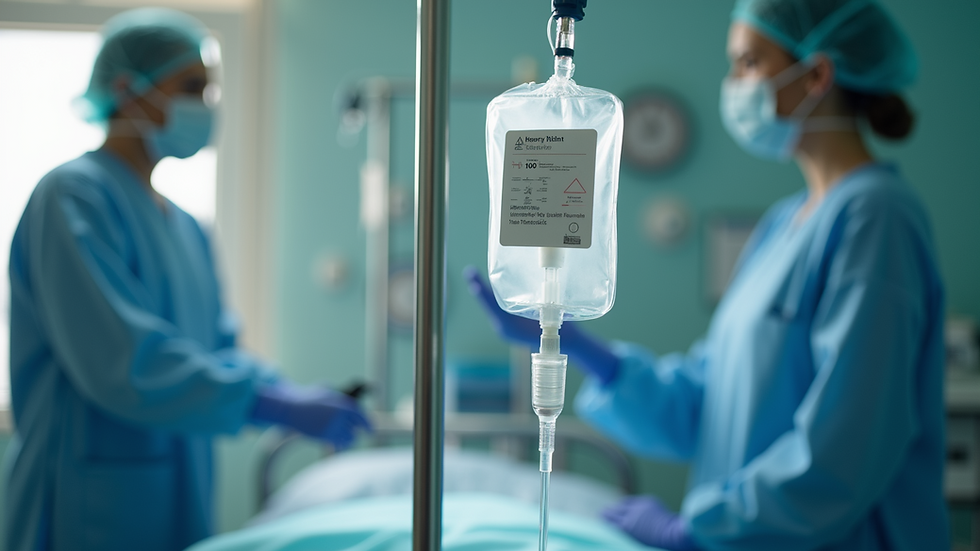
What is the Most Common Complication of IV Therapy?
While IV therapy is considered safe, like any medical procedure, it carries some risks. The most common complication is phlebitis, which is inflammation of the vein where the catheter is inserted. Symptoms may include redness, swelling, warmth, and discomfort around the insertion site.
Other potential complications include:
Infection: If the insertion site is not properly sterilized.
Bruising or bleeding: Minor and usually temporary.
Allergic reactions: Rare but possible, depending on the solution used.
To minimize risks, it is essential to receive IV therapy from licensed professionals who follow strict hygiene protocols. If you notice any unusual pain, swelling, or fever after treatment, seek medical advice promptly.
Practical Tips for Maximizing the Benefits of IV Therapy
To get the most out of your IV therapy sessions, consider the following recommendations:
Stay Hydrated: Drink plenty of water before and after your treatment to support hydration.
Eat a Balanced Diet: Proper nutrition complements the nutrients delivered through IV therapy.
Communicate Your Health History: Inform your provider about any allergies, medications, or medical conditions.
Schedule Regular Sessions: Depending on your goals, periodic treatments may be necessary for sustained benefits.
Rest After Treatment: Allow your body to absorb and utilize the nutrients effectively.
By following these tips, you can enhance the effectiveness of your IV therapy and support your overall well-being.

Why More People Are Choosing IV Therapy Today
The growing popularity of IV therapy can be attributed to its convenience and effectiveness. In a fast-paced world, many seek quick solutions to maintain health and vitality. IV therapy offers a way to deliver essential nutrients efficiently, especially for those who struggle with nutrient absorption or have increased nutritional needs.
Additionally, IV therapy is used in various settings, from wellness clinics to sports recovery centers, highlighting its versatility. Whether you want to boost your immune system during cold season or recover faster after a workout, IV therapy can be a valuable tool.
For those interested in exploring this option, reputable providers offer customized vitamin drips tailored to individual needs. You can learn more about these options by visiting this IV therapy service.
IV therapy presents a promising approach to enhancing health through direct nutrient delivery. By understanding its benefits, potential risks, and best practices, you can make informed decisions about incorporating it into your wellness routine.


Comments